
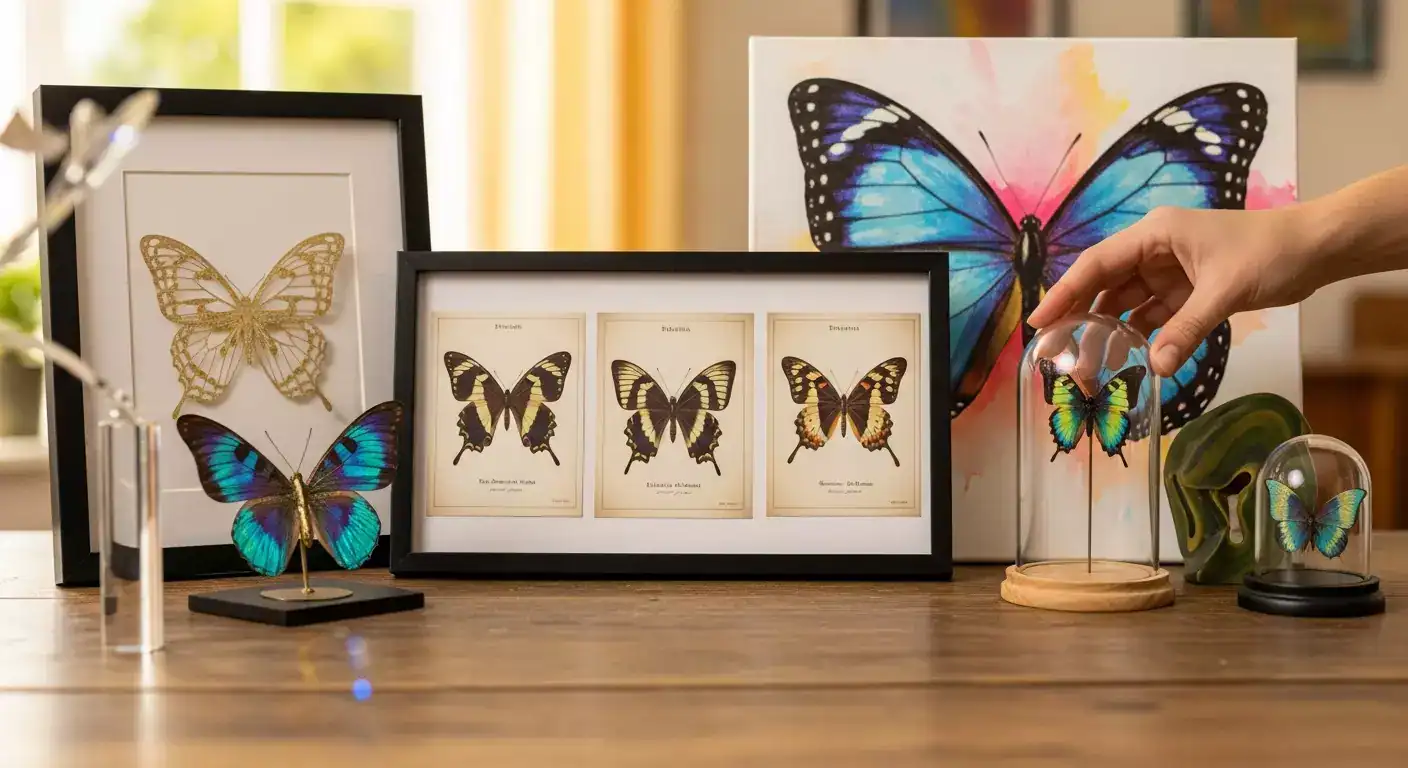
The Fascinating World of the Butterflies
A butterfly is a fascinating insect that has undergone many developmental stages and physical processes that enables it to fly with its beautiful wings as amazing essence admired worldwide.
The butterfly is an insect that belongs to a group of species called Lepidoptera, which defines precisely the overall identity of the butterfly due to the presence of hundreds and even thousands of tiny scales overlapping in rows among its wings. These scales which are by nature organized in very colorful designs and patterns are the great characteristics that make each species of butterfly unique, visually appealing and quite beautiful due to its overall amazing essence that is admired worldwide.
The life cycle of a butterfly is probably the most fascinating process in the natural world, which consists of three main developmental stages, the ovum stage followed by the caterpillar and the pupa stage.
Female butterflies attach their eggs onto the leaves and stems of plants, these attached eggs are said to be in the ovum stage since they are tiny, variable in color and without a definite shape. The ovum stage is characterized as one the most sensible stage since these eggs are only attached to the stems or leaves of plants. Any harsh weather condition, intense breezes, high winds or any other intense weather act can destroy these eggs and the overall developmental stage. Human actions such as landscaping, plant or tree cutting can also destroy these eggs.
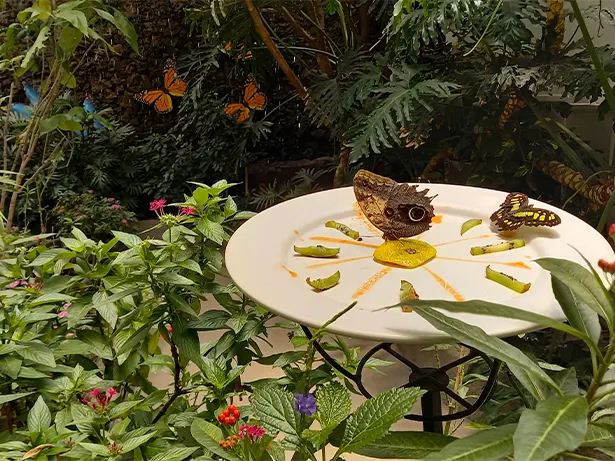
The second fundamental stage is the caterpillar or larva stage, which is the stage where the hatched egg gives birth to a worm-like insect with several legs with a very unique shape and color in its skin. The main function and purpose of the caterpillar is to eat and obtain as many nutrients as possible, this is achieved by the caterpillar extracting all the necessary nutrients from the leave or stem which it is attached. Caterpillars possess a tremendous degree of appetite and they grow in size as they eat more and more; however, only the size of the caterpillars gets expanded, its exoskeleton does not grow in size but instead gets replaced by a new skeleton in a physical process called molting. A caterpillar can undergo several molts throughout a long period of time until it advances to the next developmental stage and becomes a pupa.
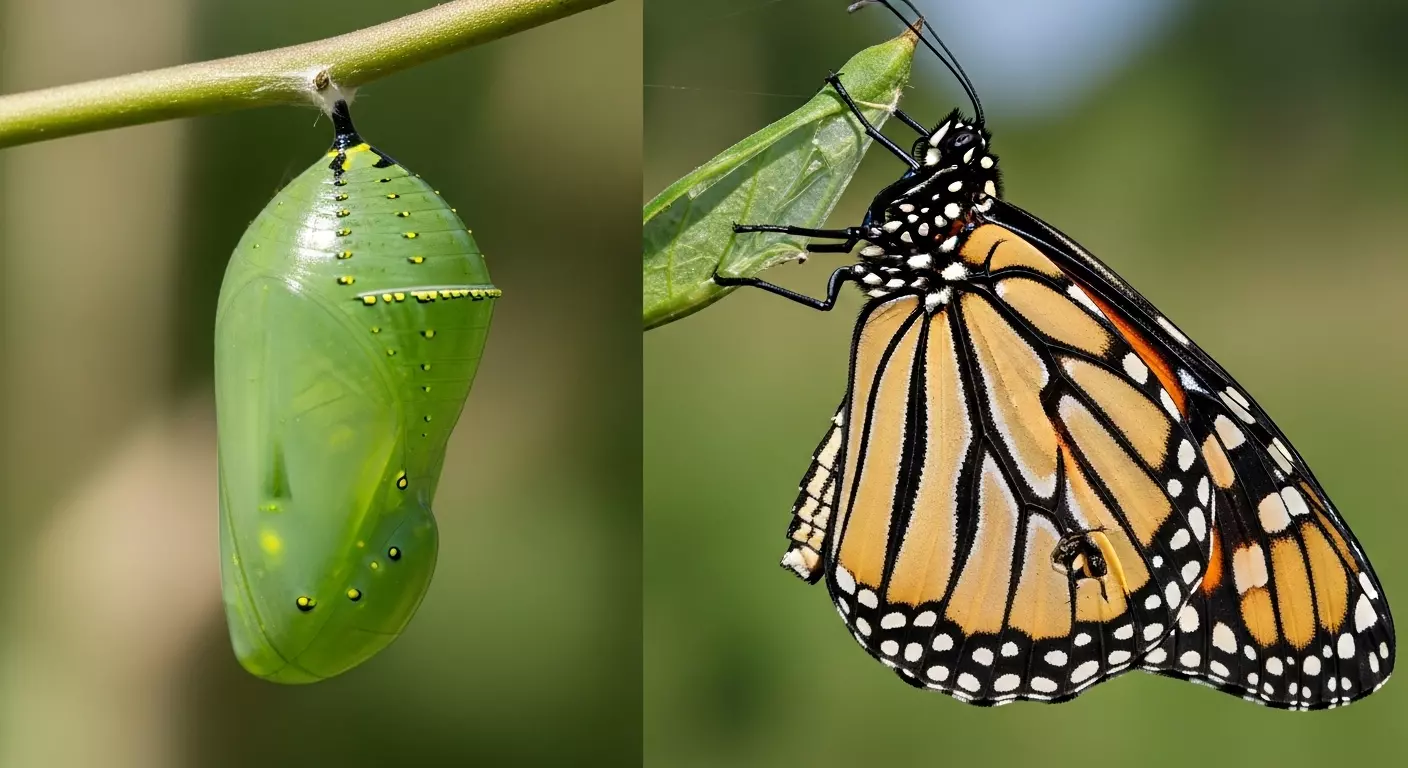
The pupa, or chrysalis, is the stage where a caterpillar transforms into a butterfly. The caterpillar attaches to a twig or wall, sheds its skin, and forms the chrysalis. Inside, its body is broken down and rebuilt into wings, antennae, and legs. When ready, the butterfly emerges to fly and reproduce.
This process, called metamorphosis, can take days or months depending on the species and environment. There are over 28,000 butterfly species, most living in tropical regions. Their colors help them attract mates, absorb heat, and camouflage among flowers.
Butterflies spend time feeding on nectar, migrating, resting, and puddling—finding cool spots when it’s too hot. They are sensitive to extreme temperatures but thrive in warm climates.
Butterflies fascinate children and adults alike. Their life cycle is not only a wonder of nature but also a reminder of transformation, beauty, and resilience.